
Blog post # 17, 9 October 2025
Hamas and Israel have signed onto the first phase of the peace plan launched by US President Donald Trump. They have agreed to a ceasefire in Gaza, access for humanitarian aid, the return of the remaining Israeli hostages, and the release of Palestinian prisoners. Trump set the deadline for the deal ahead of tomorrow’s awarding of the 2025 Nobel Peace Prize, which he hopes to win. The President has been loudly claiming to have earned this prize for a while, saying he has ended seven wars, and hopes that this latest achievement will definitively convince the Nobel Committee of this.
Any deal that signals an immediate end to the ongoing killing, destruction, and hunger in Gaza and releases hostages and political prisoners is more than welcome. But the deal does not yet mean peace. Lasting peace requires addressing the underlying issues that produce armed conflict: injustice, deprivation, inequality, and oppression. In Israel-Palestine, it means addressing the occupation of the West Bank, the fate of Palestinian refugees, the status of Jerusalem, the spread of illegal settlements, violent repression, the blockage of Gaza, and the inability of Palestinians to create effective political institutions – or a successful strategy of nonviolent resistance. Disarmament of Hamas is on the table, but the group has not agreed to it. Left unresolved, it will be a matter of time before these issues lead to renewed violence.
Looking at the other conflicts Trump claims to have ended, we see a similar pattern. Ceasefires between Thailand and Cambodia, Israel and Iran, and India and Pakistan, while stopping the latest round of hostilities between these rivals, did not come close to resolving decades-old conflicts. Although Trump-brokered agreements between Serbia and Kosovo, Armenia and Azerbaijan, and Rwanda and the Democratic Republic of Congo went beyond ceasefires, they were partial at best, focusing mainly on economic provisions and openly promoting American trade interests. Violence continued in Congo, and strong enmity remains in the other cases. All these conflicts have seen many previous peace deals breached, and there is little reason to believe things will be different this time. Finally, a deal Trump claims to have brokered between Ethiopia and Egypt over water rights has not materialized at all.
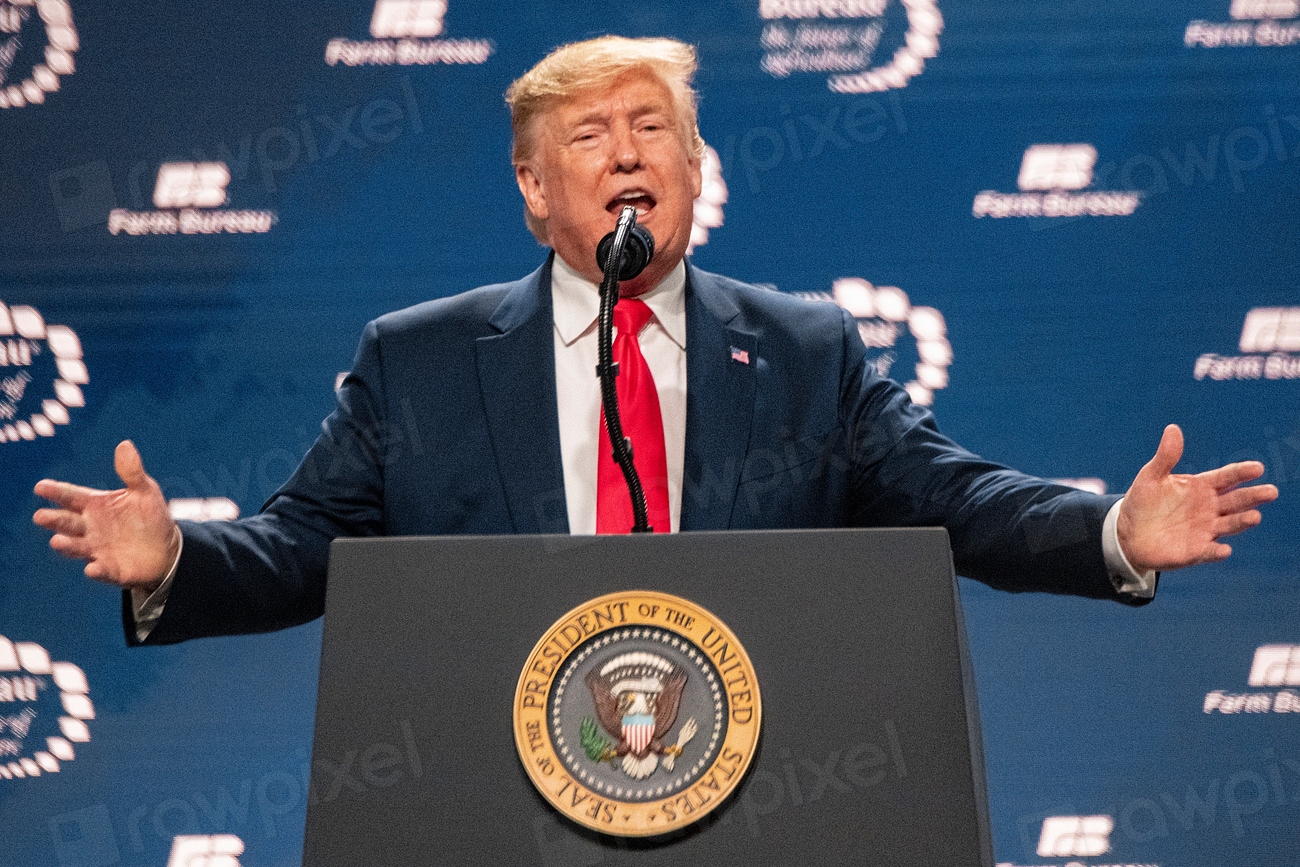
Trump’s strategy of ‘peace through strength’, imposing a solution by threatening violence or high trade tariffs, may work when brokering temporary ceasefires or partial deals, but real peace runs deeper. In none of these cases have underlying issues – injustice, deprivation, inequality and oppression – been tackled in a meaningful way.
Meanwhile, the Trump government has attacked the very institutions that promote justice and maintain peace and security, including the UN, international courts, and treaties. In supporting Israeli actions in Gaza, the West Bank and against Iran and Qatar that are at odds with international law, and in its contradictory and shifting approaches towards the equally illegal Russian invasion of Ukraine, the administration has undercut the international legal order, promoting a system of strongman rule. In drastically cutting development aid and reversing policies to address climate change, it has contributed to future deprivation, inequality, and instability.
Has Trump made the world more peaceful? The answer is no. The Peace Prize had better go elsewhere. My hope is that the Nobel Committee will instead reward war reporters, who have died in large numbers over the last years and whose work in confronting the world with injustice is invaluable to efforts to achieve real peace.

 War and Peace Blog
Geef een reactie op Huib Ernste Reactie annuleren